

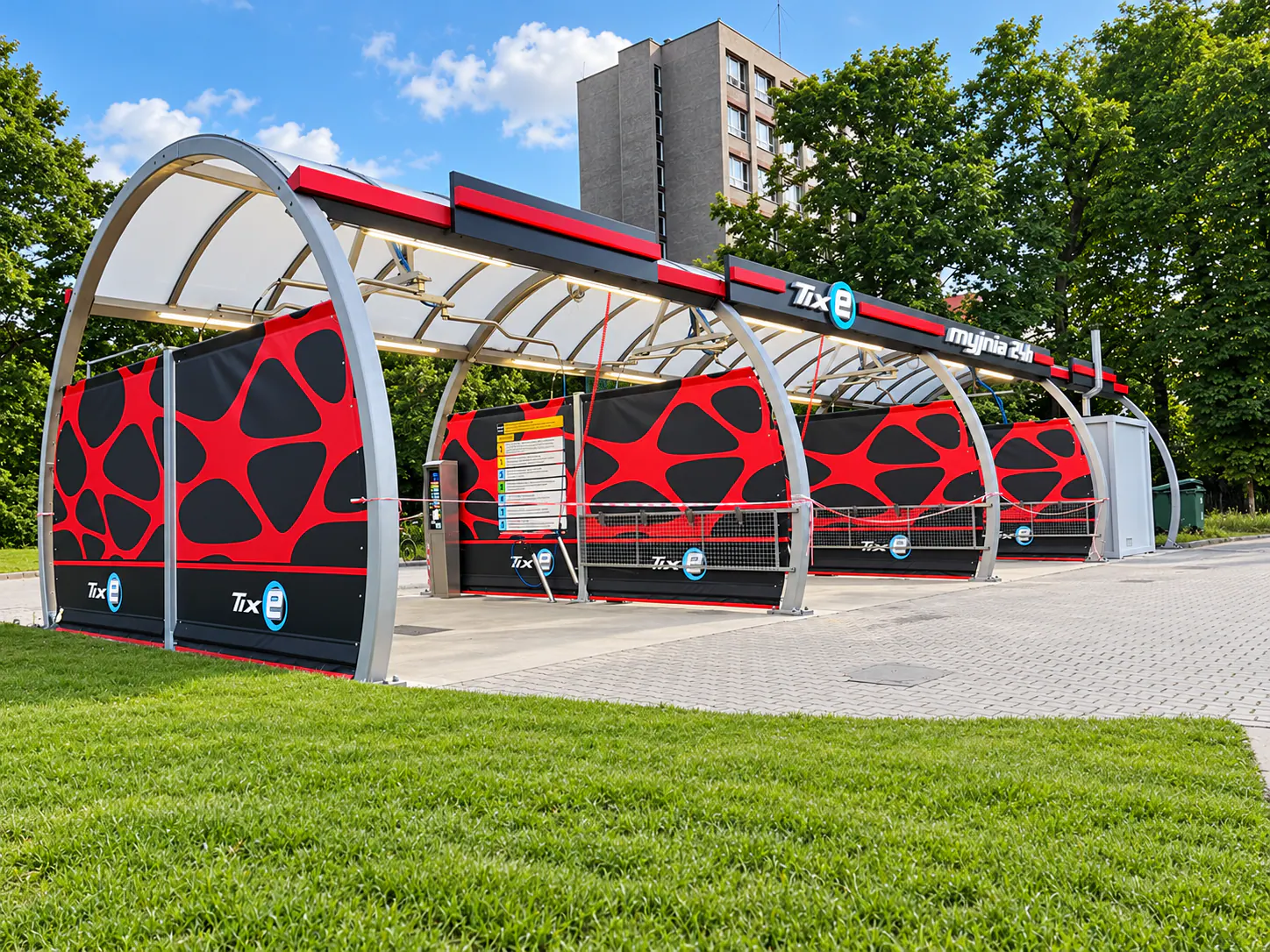
Are customers asking to pay by card, is one bay needing repairs more often, or does the car wash's appearance no longer reflect the quality of its services? Start an upgrade by identifying the specific problem. Then assess the existing installation, choose the scope of changes and plan closures. Preparing the project this way lets you retain working components and check whether the work has delivered the expected result.
First name the problem the investment should solve
An “upgrade” can mean very different tasks: from replacing signage to rebuilding the technology system. Each requires different preparation and a different way of assessing the outcome. Start by recording what is happening at the facility. “Bay two was unavailable three times this month” is a better starting point than “the car wash is getting worse”.
Consider equipment condition separately from customer needs and the facility's appearance. A new service may be justified by drivers' interest, while replacing a component may be justified by a recurring fault. Refreshing the canopy, in turn, requires assessment of the structure, materials and installation method. These areas can be combined, but it helps to understand the purpose of each.
Collect baseline information before commissioning the work: fault history, downtime, transaction data and utility readings. Add a date and short description to photos. This makes the initial discussion lead towards a diagnosis, while later acceptance is based on more than the impression that the facility looks more modern.
What can be kept, and what needs replacing?
The year of commissioning is important information, but does not determine equipment condition on its own. The installations, parts availability, service history and compatibility with the planned changes all need assessment. Prepare the documentation, a list of earlier alterations and photos of accessible equipment labels. Flag missing documents straight away; an on-site survey may be the first stage of the assignment.
| Decision | What needs to be established |
|---|---|
| Keep | Is the component working, supported and compatible with the intended solution? |
| Repair | Has the cause of the problem, the repair scope and the method for checking its effectiveness been identified? |
| Replace or add | What connections, power supply, controls and associated work are needed? |
This assessment should also cover the equipment area: access to devices, drainage, installation routes and space for new equipment. Not every problem requires a major rebuild. At the same time, adding a small device may require changes beyond its mounting point. The scope is established after inspecting the specific car wash.
The same facility – a new look for the bays
Compare photos of the entire car wash before moving on to details. They show the relationship between the canopy, signage and customer space.
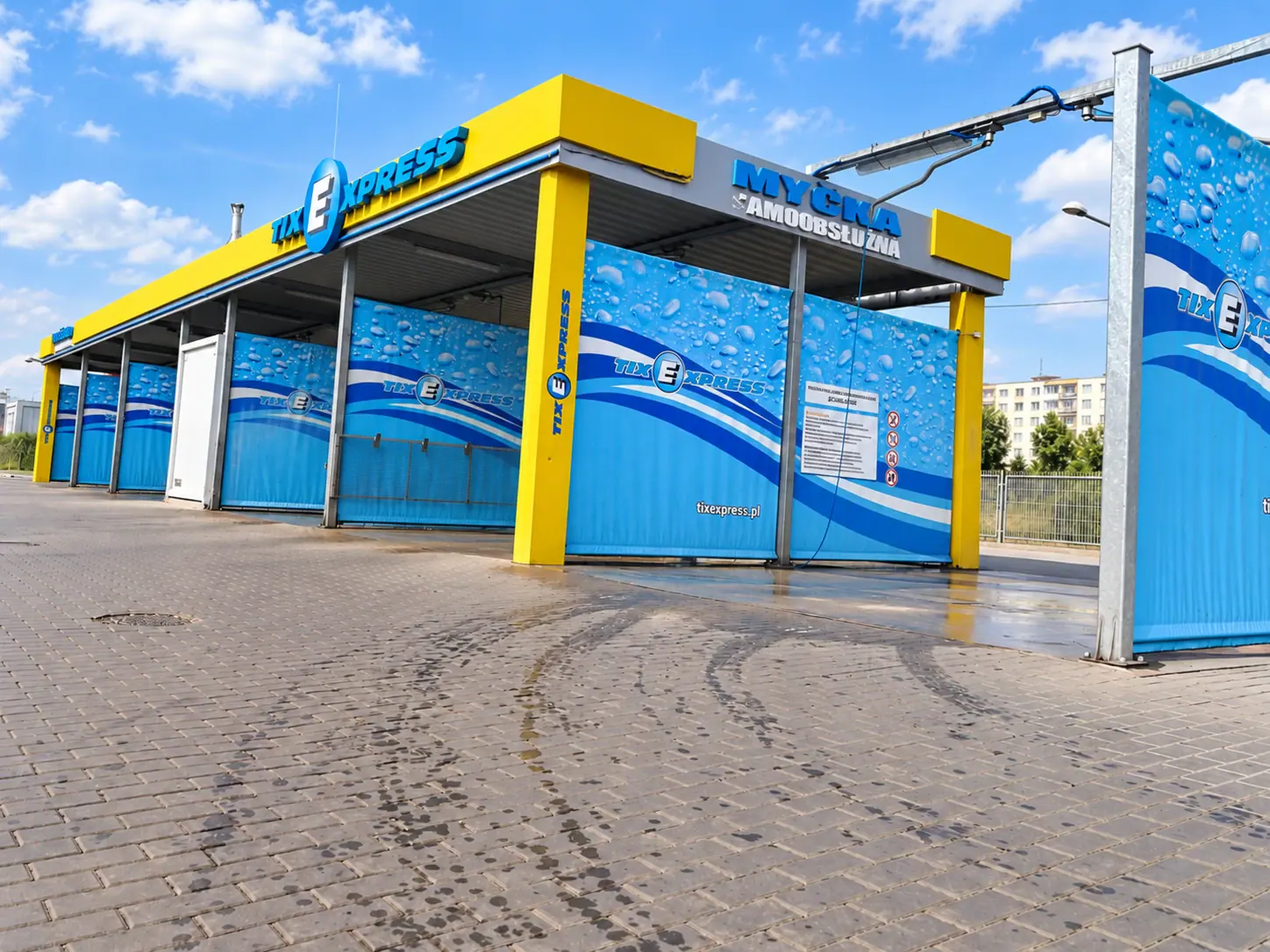
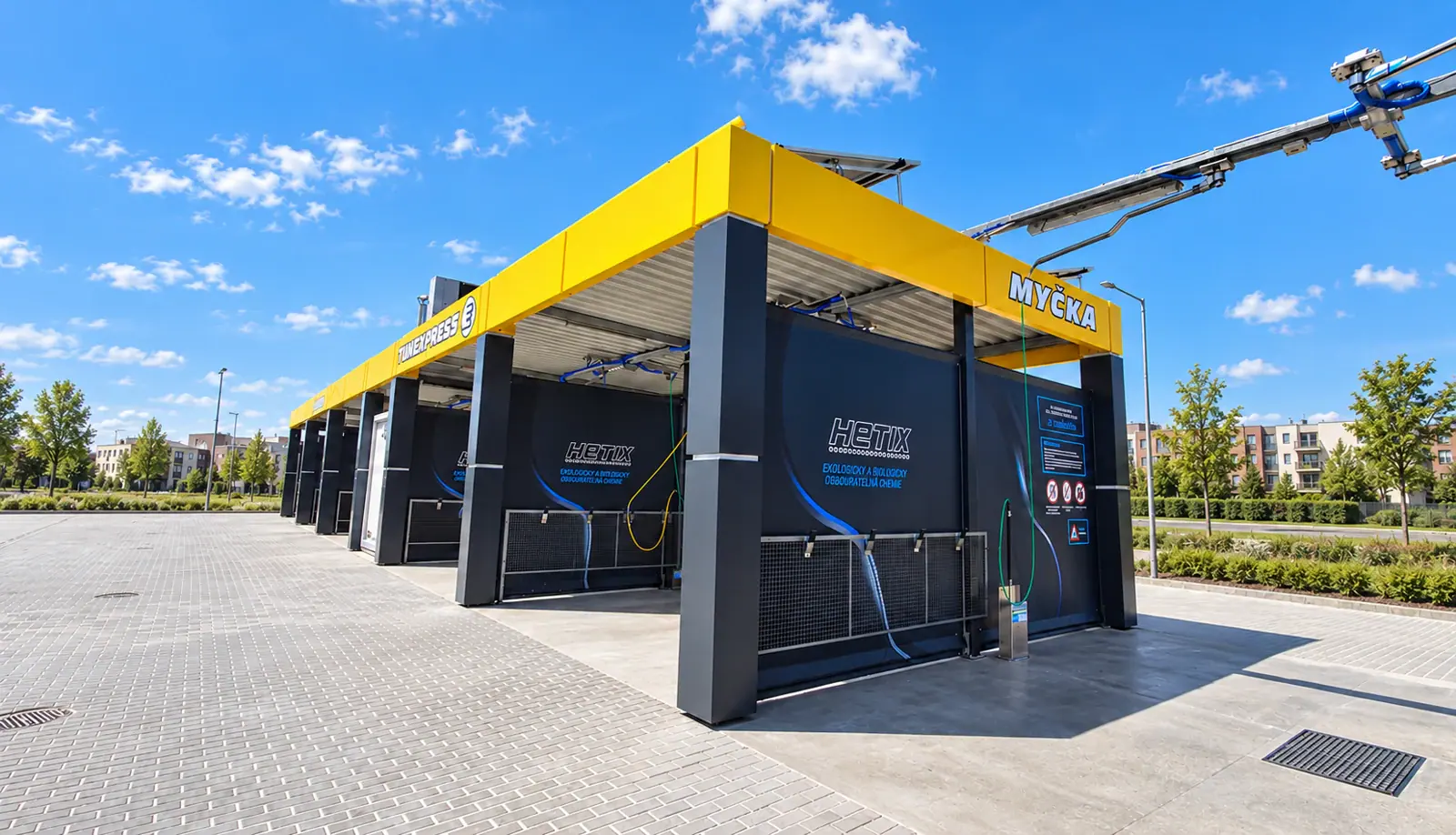
See the details of this project too.
See ChomutovProgrammes, payments and operation must work together
A new terminal changes both the payment experience and the way the owner manages transactions. Its installation must be coordinated with the existing controls, connectivity and service activation. The scope also includes fees and new customer instructions. Only this complete picture lets you assess what will actually change once payments are activated.
For additional programmes, check the full chain of changes required. This includes technology, tools, bay space and signage. TIXE also upgrades other manufacturers' facilities; integration options depend on the condition and configuration of the existing installation. We describe the available upgrade options in the section on car wash upgrades.
In an article in Professional Carwashing & Detailing from June 2026, self-service car wash upgrades also include payment convenience and equipment ergonomics. Apply this perspective when observing your own facility: can customers understand the panel, handle the tools freely and finish their visit conveniently? Read the industry overview. However, do not assume a particular sales increase without data from your location.
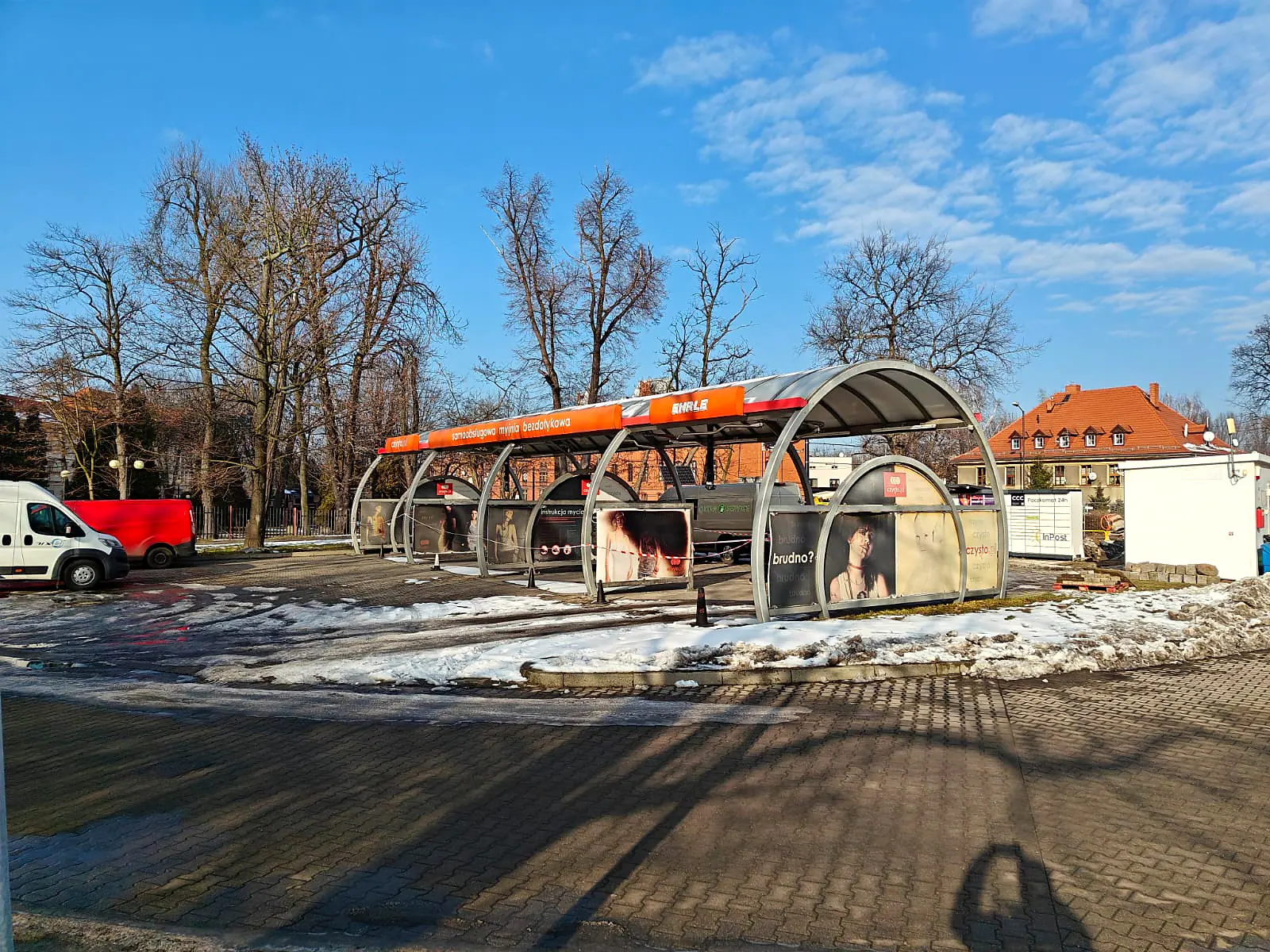
The car wash upgrade in Zabrze – see the before-and-after change
An appearance upgrade may involve fascias, cladding, partitions, signage and lighting. Before ordering a new look, assess the components it will be fitted to. Establish the materials, fixing methods, removal scope and work on installations. The visualisation should reflect a solution that can be built on the existing facility.
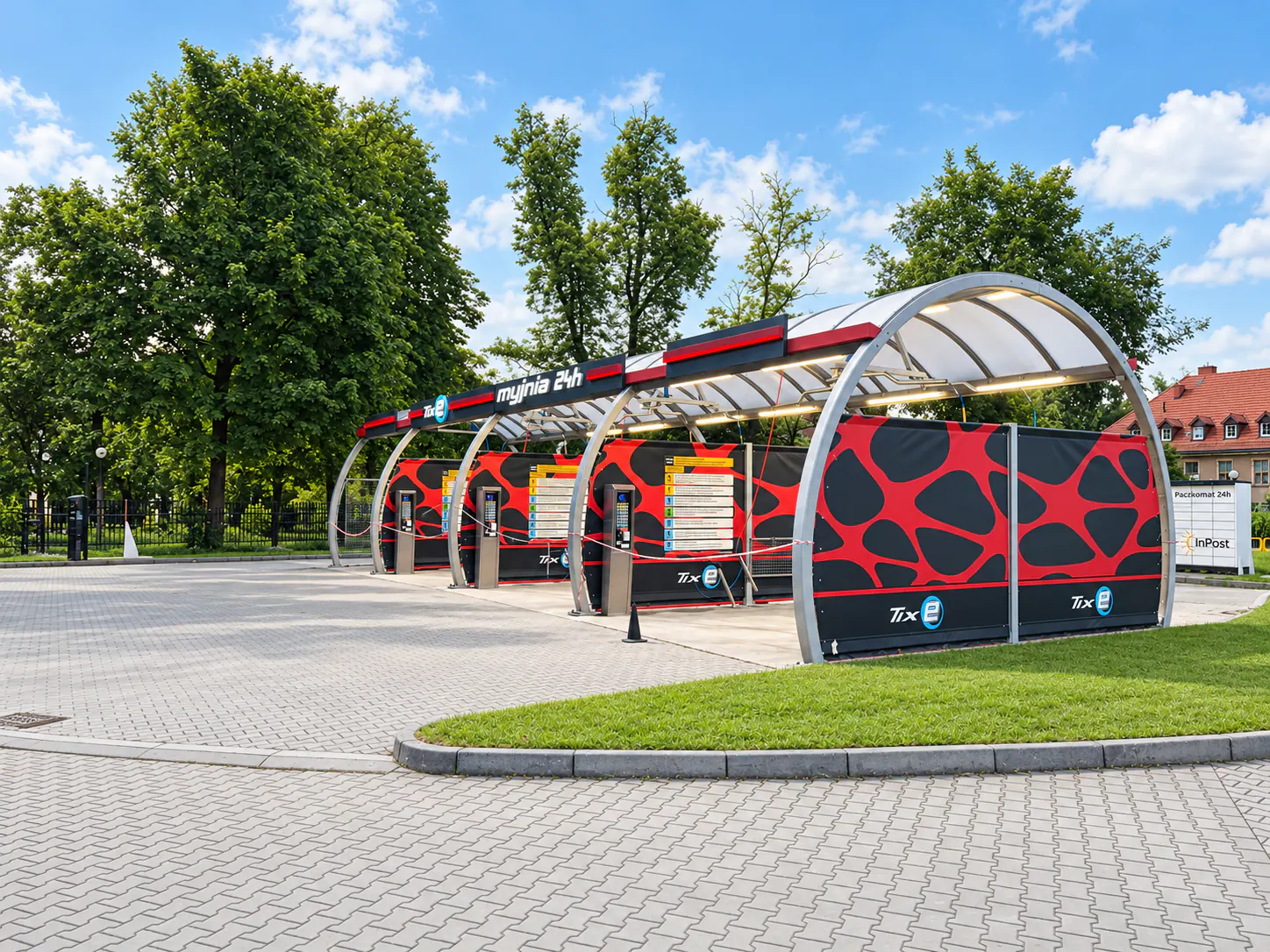
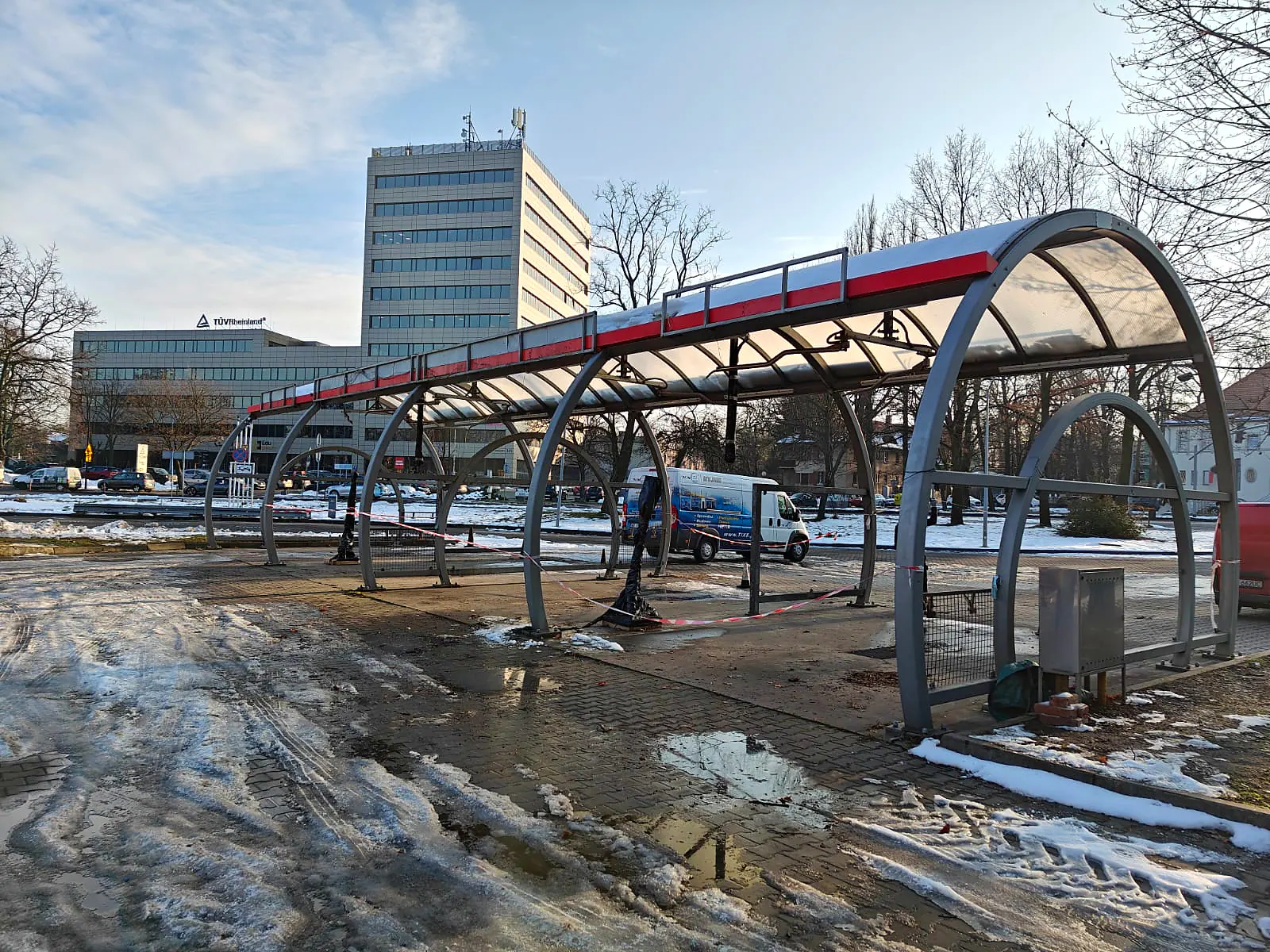
TIXE's material from Zabrze shows the earlier signage, work in progress and the completed car wash with its new branding. It is a documented example of a change in appearance at the same location. The photos allow comparison of the form and details. On their own, they do not demonstrate utility savings or revenue growth — separate data is needed to assess those.
For your own project, take photos from similar positions before work begins and after acceptance. Also record the list of replaced components. These materials help assess compliance with the agreed scope and make it easier to order parts or further changes later.
See what changed in the appearance
The arched roof remains recognisable. Compare the partitions, the signage strip above the bays and the facility's branding.
Planning a similar change at your car wash?
Discuss an upgradePlan work around shared installations
The ability to phase work depends on how the equipment is connected. Work on a single bay may require the shared power supply or controls to be shut down. That is why “the car wash will remain open during the upgrade” needs to become a specific schedule: which bays remain available, when they close and what allows them to reopen.
A device may already be on site while a connection or configuration appointment is still pending. Such delays can be reduced with a shared schedule for deliveries, contractors and associated work, managed by a single coordinator. Commissioning, testing and any corrections need their own time allowance. Only a check of the complete system allows an upgrade stage to be closed out.
From defining the scope to restarting operations
Combine deliveries, work and tests in one schedule. At each stage, identify which bays can serve customers.
- Assessment and scope
What we are keeping, what we are changing and who is responsible for each task.
- Preparation
Delivery dates, connection readiness and agreed bay closures.
- Installation and integration
Removal, new equipment and connection to the existing installation.
- Testing and acceptance
Function checks, operator instructions and restarting operations.
The work area must be separated from customer traffic in accordance with the work plan. Prepare clear information about service availability and update the signs after every change. Those responsible for each specific scope should decide how the work is carried out and which formalities are required. The owner needs clear information about when, and under what conditions, the facility can serve customers.
Account for equipment, associated work and the transition period
At an operating facility, new equipment has to work with existing installations. The cost of making this connection often includes removal, connection preparation, installation, configuration and testing. Training, signage, documentation and organising operations during the changes add to this. Every part of the budget should have a contractor and a price, or be clearly marked as awaiting a quotation.
The economic assessment should match the purpose of the investment. When addressing recurring faults, compare repair and downtime costs. For a new service, you need assumptions about usage and operating costs. When reducing utility consumption, assess results under comparable operating conditions. Separate expenditure needed to maintain reliable operation from additional equipment intended to develop the business.
Prepare a cautious scenario too: a later start-up, lower use of the new function or no expected improvement in the initial period. This scenario helps assess the pressure on the budget. Do not attribute all future revenue to a device being added to an already operating car wash. A useful breakdown is available in our guide to operating costs.
Check the completed work, then observe normal operation
Acceptance closes out the installation work and marks the start of using the upgraded car wash. The agreed functions, payments and messages need testing, and compliance with the specification must be checked. Operators should receive up-to-date instructions, while documentation should include the installed equipment, changes and outstanding items. This record will be useful at the next inspection.
Also assess the effects of the upgrade in the following weeks. For a recurring fault, monitor the number of incidents and downtime. For payments, check that transactions are processed correctly. For water-management changes, retain meter readings and facility usage data from both periods.
EPA WaterSense at Work identifies metering of the whole facility and selected processes as the basis for detecting losses and assessing improvements. In practice, this means establishing measurements before making the change. Distinguish the water bill from actual consumption, because the tariff also affects the amount charged.
Record the weather, downtime, and changes in prices and programmes. If several elements changed at once, do not attribute the entire difference to one device. A reliable description of the results makes it easier to decide on the next upgrade phase.
What else do owners and investors ask?
Does TIXE upgrade other manufacturers' car washes?
Yes. The scope is established after assessing the existing installation, its condition, documentation and integration options. Prepare photos, the year of commissioning and a description of the changes you want for the first discussion.
Does all the technology need to be replaced?
Not always. Working components may be considered for retention if they are compatible with the intended solution. The diagnosis and upgrade plan determine the scope, rather than equipment age alone.
Can the car wash operate during the upgrade?
Partial operation is sometimes possible, but depends on the scope and shared installations. The schedule should define closures, work arrangements and the conditions for reopening bays.
Where should I report a fault that needs urgent help?
Direct urgent operating issues to TIXE service. The upgrade plan should be handled separately, based on a diagnosis and an agreed scope of changes.
Let's analyse
your car wash
Planning changes at an existing facility? Prepare photos of the bays and equipment area, the year of commissioning and a description of the problem. As part of our free preliminary analysis , we will help define the scope of further assessment and preparation of a quotation.
Sources and further reading
- TIXE — car wash upgrades, Zabrze and Chomutov. The scope of the upgrade service and photographic project documentation. Photos do not measure economic performance.
- TIXE — car wash servicing and inspections. Areas to check in existing equipment and service contact details.
- Professional Carwashing & Detailing — Modernizing the self-serve carwash experience. Meagan Kusek, 8.06.2026. An industry article on payments and convenience at self-service car washes.
- EPA — WaterSense at Work: Metering and Submetering. November 2023, PDF in English. The basis for the measurement method; it does not verify TIXE equipment performance.