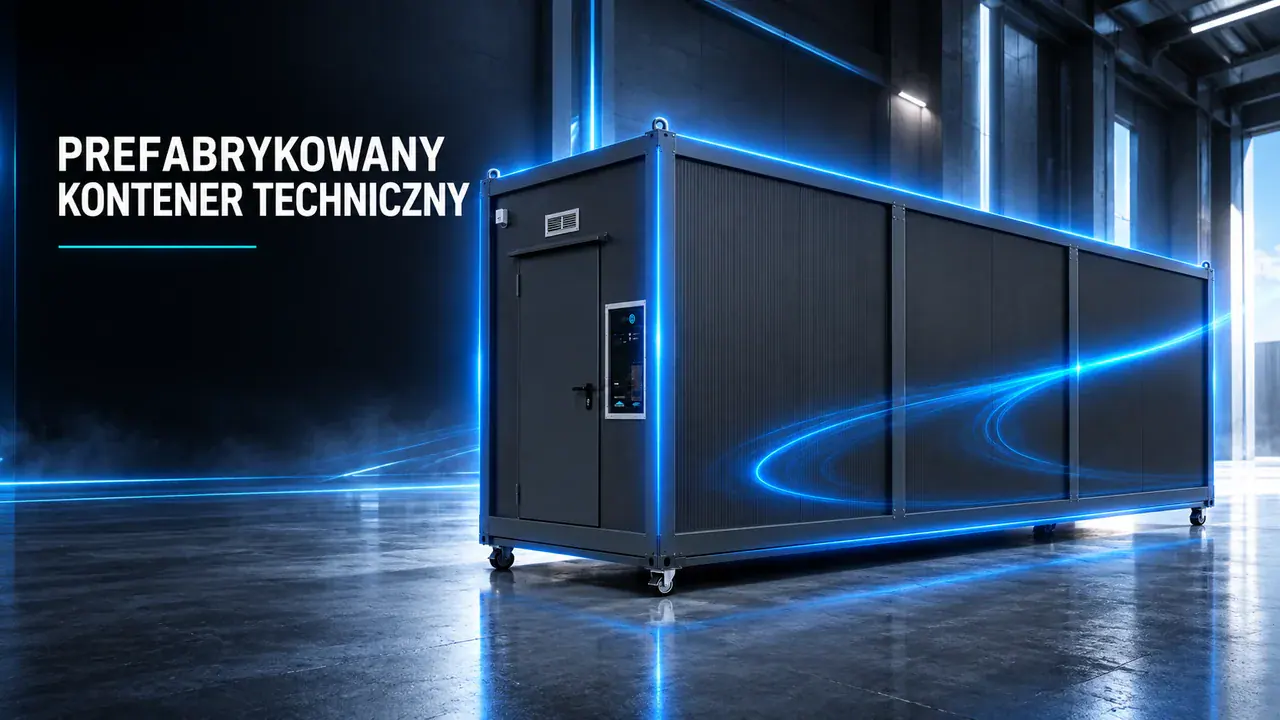

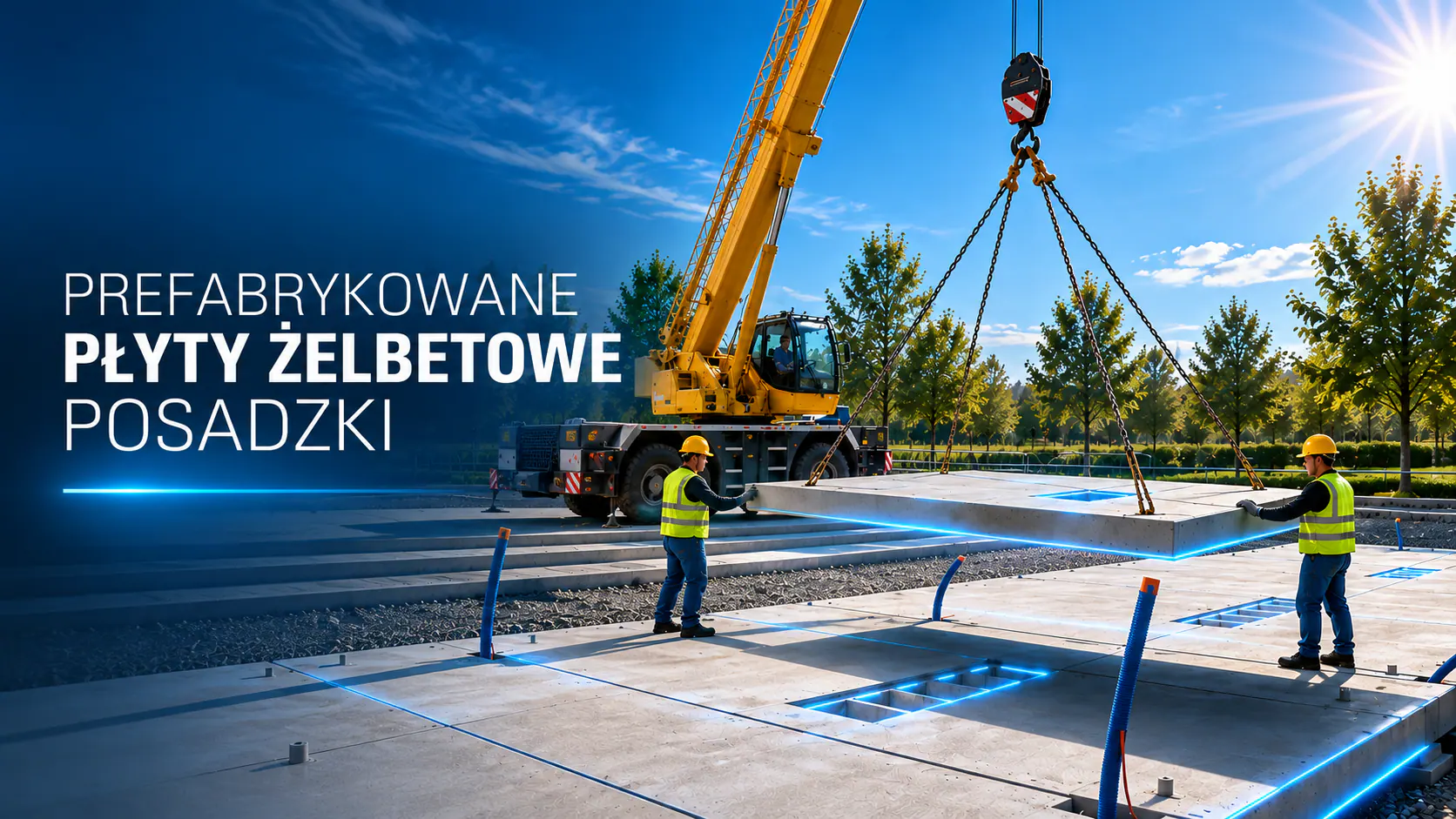
Prefabrication
Precast floor slabs Prefabricated floors for self-service car washes.
TIXE prefabricated floors combine the touchless car wash base with heating, sensors and service routes. The elements are prepared for on-site assembly.
Ask about this solutionInfrastructure ready for installation
Car wash floors with heating and integrated services.
A floor with services planned from the start. TIXE prefabricated slabs combine the bay surface with the infrastructure needed to operate the car wash.
The slabs include thermal insulation, heating with temperature sensors, and channels and openings for services. Connections are matched to the technical container, panels, lances and brushes. Slabs, beams and strip foundations form a system joined with a flexible bonding material. Components arrive from the factory and are installed by crane, reducing the amount of flooring work required on site.
TIXE experience
A car wash floor proven over time.
We have used precast floors in self-service car washes for over 10 years. We develop them as an integral part of TIXE technology, from concrete preparation to service coordination. Controlled production supports consistent quality, including across a network of car washes.
- Years of use in TIXE car washes
- 10+
- Minimum concrete class
- C30/37
- Frost resistance
- F150
- Watertightness
- W8
Building a touchless car wash
Precast floor or cast-in-place slab?
The differences go beyond concrete. See how the floor construction method affects service installation, building work and future car wash upgrades.
Structure and ground movement
TIXE precast system
Slabs, beams and footings form a system joined with flexible bonding material. This arrangement accommodates ground movement and helps reduce the risk of cracking. A correctly designed and constructed sub-base remains essential.
Cast-in-place slab
A slab poured on site forms a rigid structure. Crack control depends on the ground preparation, reinforcement, joints and concrete curing. Uneven settlement can cause damage.
Floor heating and PEX pipes
TIXE precast system
The heating installation is integrated into the precast element. Controlled pipe placement and measures to limit structural cracking help protect the PEX installation from damage.
Cast-in-place slab
Pipes are positioned and secured before the slab is poured on site. Slab cracks and displacement can increase the risk of installation damage, while water and salt ingress can accelerate concrete deterioration.
Concrete and consistent production
TIXE precast system
TIXE uses concrete of at least class C30/37, with no added sand and with basalt–granite aggregate. System specifications include F150 frost resistance and W8 watertightness. Factory production allows the preparation and compaction of each element to be controlled.
Cast-in-place slab
Cast-in-place concrete can also meet the design requirements. Its final quality depends on the concrete supply, weather, compaction and curing on site. Quality control therefore covers both documentation and workmanship.
Accurate service connections
TIXE precast system
Connections are prepared at the factory and brought up vertically at the positions specified in the car wash design. This simplifies equipment installation and reduces the need for later adjustments.
Cast-in-place slab
Services must be accurately set out and kept in position during reinforcement and concreting. Errors discovered after the concrete has set are harder to correct and may require rework.
Canopy and equipment container fit
TIXE precast system
The floor, precast canopy structure and equipment container are coordinated as one system. The design defines the locations of drains, control panels, protective conduits, coin suction pipes and other connections.
Cast-in-place slab
Connections made on site must match the dimensions of the finished canopy and container. Later relocation may be limited, making coordination between all trades essential before the slab is poured.
Service access and future upgrades
TIXE precast system
The system allows service spaces beneath the drive-on slabs and container. Planned routes make future adjustments and upgrades to the self-service car wash easier.
Cast-in-place slab
Access to services embedded in the slab is limited. Rerouting pipes or connections may require breaking out concrete; spare ducts and service capacity should be planned in advance.
Construction coordination and responsibilities
TIXE precast system
For the floor system, the general contractor prepares the crushed-aggregate sub-base to the design. TIXE coordinates the services within the slab: drainage, coin suction, heating, controls and sensors. Responsibilities are agreed before installation.
Cast-in-place slab
Groundworks, reinforcement, services and concreting require coordination between contractors on site. Clear responsibilities and inspection before services are covered help reduce coordination errors.
Dismantling and relocating the car wash
TIXE precast system
Precast elements can be dismantled and reused at another location. TIXE has already completed such relocations. Each project requires an assessment of the elements, transport conditions, the new site and compatibility with the design.
Cast-in-place slab
A slab poured on site remains tied to that location. It is not designed to be dismantled and reassembled in the same way as modular precast elements.
FAQ
Questions about car wash flooring.
Which services are included in the prefabricated car wash floor?
The slabs include thermal insulation, heating with temperature sensors, and channels and openings for services. Connections are matched to the technical container, panels, lances and brushes. Slabs, beams and strip foundations form a system joined with a flexible bonding material. Components arrive from the factory and are installed by crane, reducing the amount of flooring work required on site.
What should I prepare before discussing implementation?
Share the location, number of bays, car wash model and planned changes. Selection starts with an assessment of the technology and site infrastructure.
Explore upgradesCan a precast floor shorten car wash construction?
Finished elements arrive from the factory and are installed by crane. This reduces concreting on site and can shorten the floor installation stage. Timing depends on sub-base readiness, bay count, site access and the schedule of other works.
How should precast and cast-in-place floor costs be compared?
Compare the same scope: sub-base, concrete, reinforcement, insulation, heating, ducts, connections, transport and installation. The slab price alone does not represent the cost of a complete touchless car wash floor. Also consider work coordination and future access to services.
Can a precast floor be relocated?
Yes. The TIXE system allows elements to be dismantled and reinstalled, and such relocations have already been completed. Before proceeding, we assess the floor condition, transport options and ground and design requirements at the new site.
Where can I see a car wash with a TIXE precast floor?
See the projects in Tábor and Karviná. They show precast flooring combined with IHS heating and the other technologies used in a self-service car wash.
Related solutions