

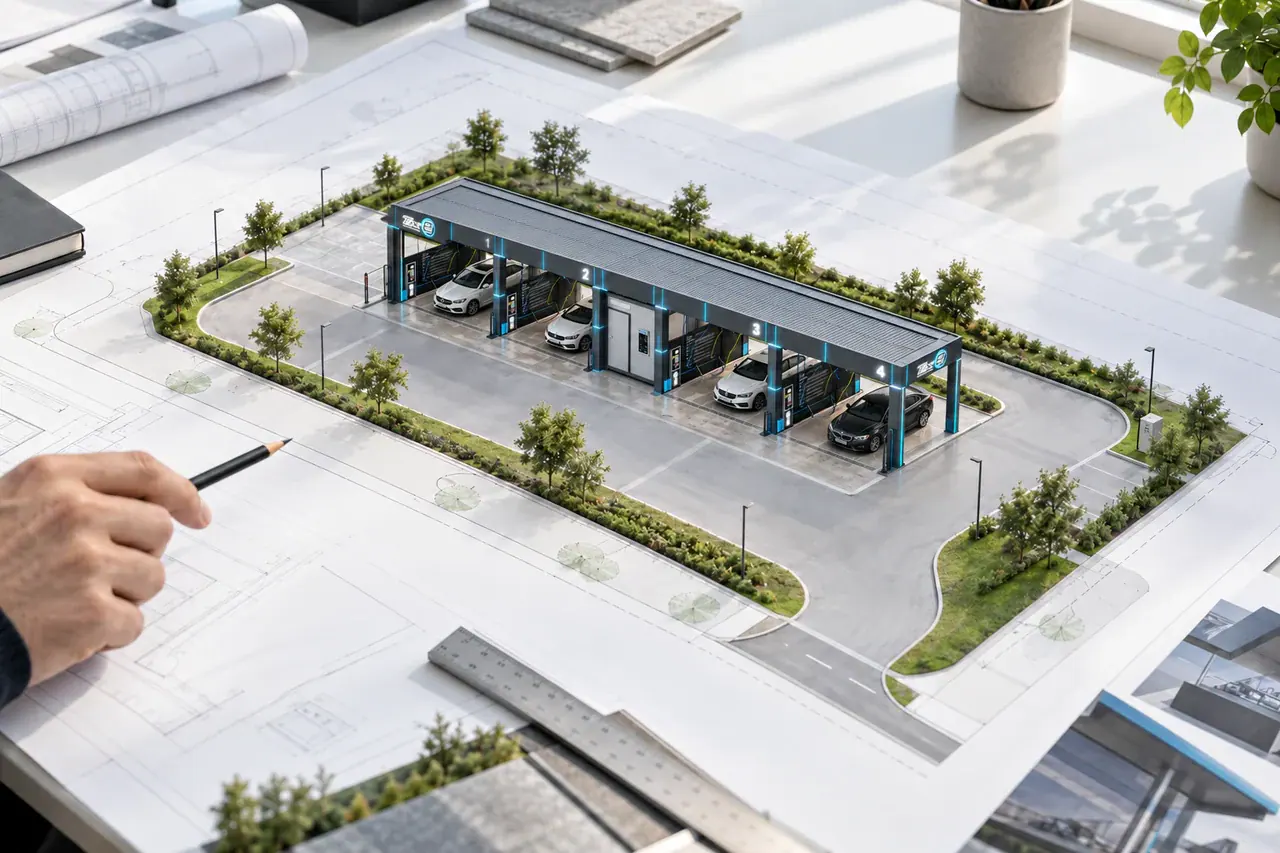
A plot beside a busy road may look promising yet require an expensive access connection, utility alterations or a different car wash layout. Before buying, assess three things together: whether the development is possible, the site's technical conditions and the location's potential. The number of square metres alone, or an assurance that the plot has 'all utilities', does not complete that assessment.
Start with the investment boundaries, not the area in the listing
First establish exactly which land you can use. The cadastral plot, the area offered for lease and the area available for construction may differ. Mark the part intended for the car wash on the map, along with the areas needed for traffic, utility installations and servicing the site.
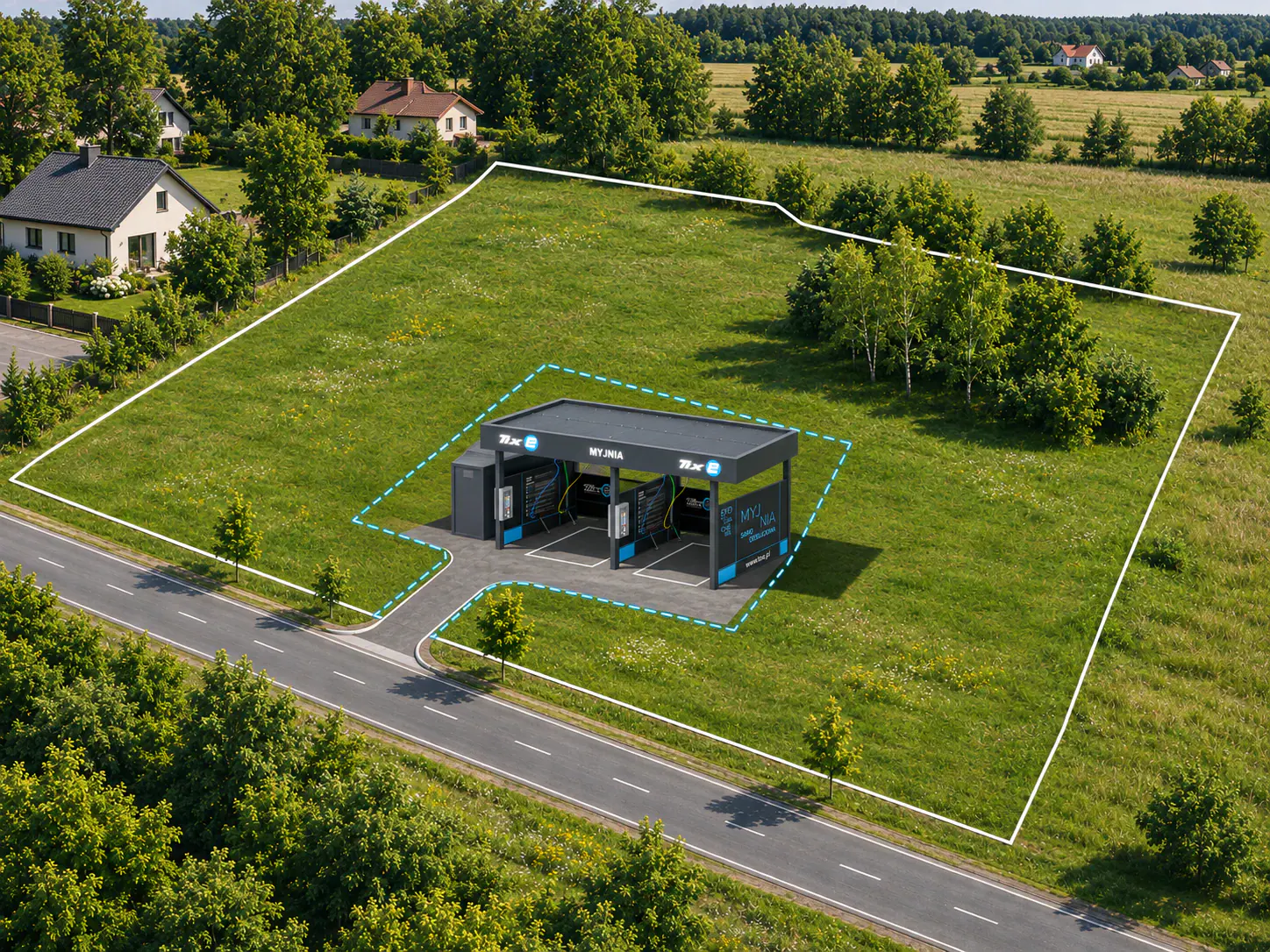
The full plot identifier prevents confusion caused by duplicate plot numbers. Geoportal cadastral data helps identify the right land. Treat the map view as material for a preliminary assessment; agree the boundary accuracy and the material needed for design with a surveyor.
If leasing, also check the conditions for carrying out the investment. Before incurring significant expenditure, clarify the contract term, permission to carry out works, access to the site and how investment outlays will be settled with the owner and a lawyer. These matters should be consistent with the car wash financing and operating plan.
Land you already own also needs to be assessed. Avoiding a new purchase expense is an advantage, but it does not remove preparation costs or location constraints. Compare the proposed car wash with other realistic uses of the property.
Check what can be built and under what conditions
Ask the municipality to identify the current planning provisions for the plot. If a local spatial development plan applies, review both its text and map with the designer. The designated land use and conditions affecting the siting and parameters of the development matter.
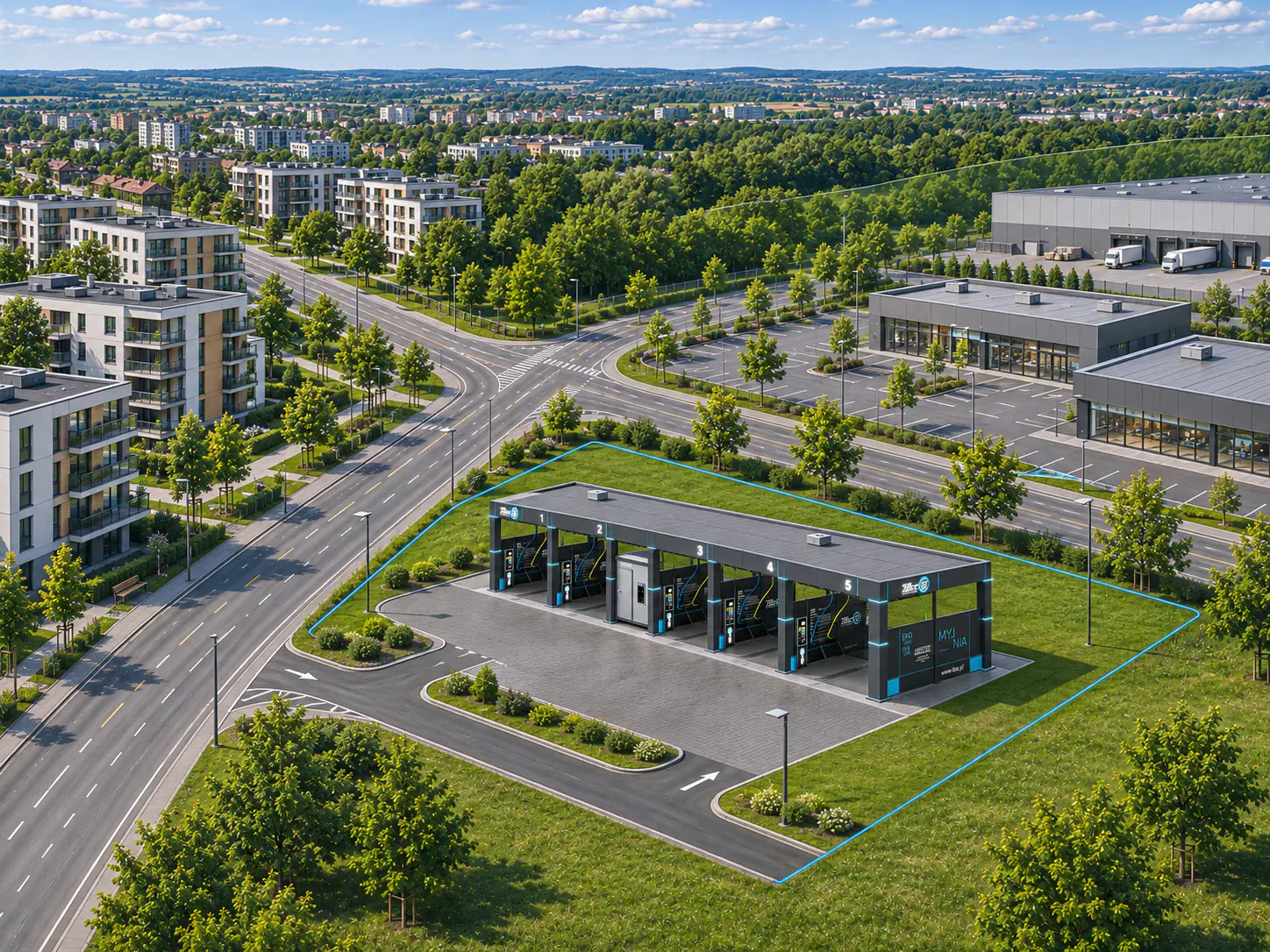
If there is no local plan, you need to establish whether a zoning decision can be obtained and which procedure applies. The government description of the zoning decision procedure sets out the documents and the authority responsible for the location. The absence of a local plan does not itself mean unrestricted development or guarantee that a decision will be granted.
A useful tool is the Urban Planning Register. According to official information, the data entry period runs until 30 November 2026. Therefore, if a document is missing from the register while this guide is being prepared, clarify the matter with the municipality. Before deciding on land, use provisions that are current for your case.
Also check the surroundings: existing housing, protected areas and planned land-use changes. The designer should identify any additional analyses or approvals needed. Identifying this scope early allows you to account for it in the schedule.
Access must work both legally and from the driver's perspective
A plot adjoining a road still requires checks on the means of access and the conditions for a vehicle access connection. Identify the road authority and explain the proposed use of the site. For national roads, the procedure for locating or altering an access connection is described by GDDKiA. In other cases, contact the relevant road authority.
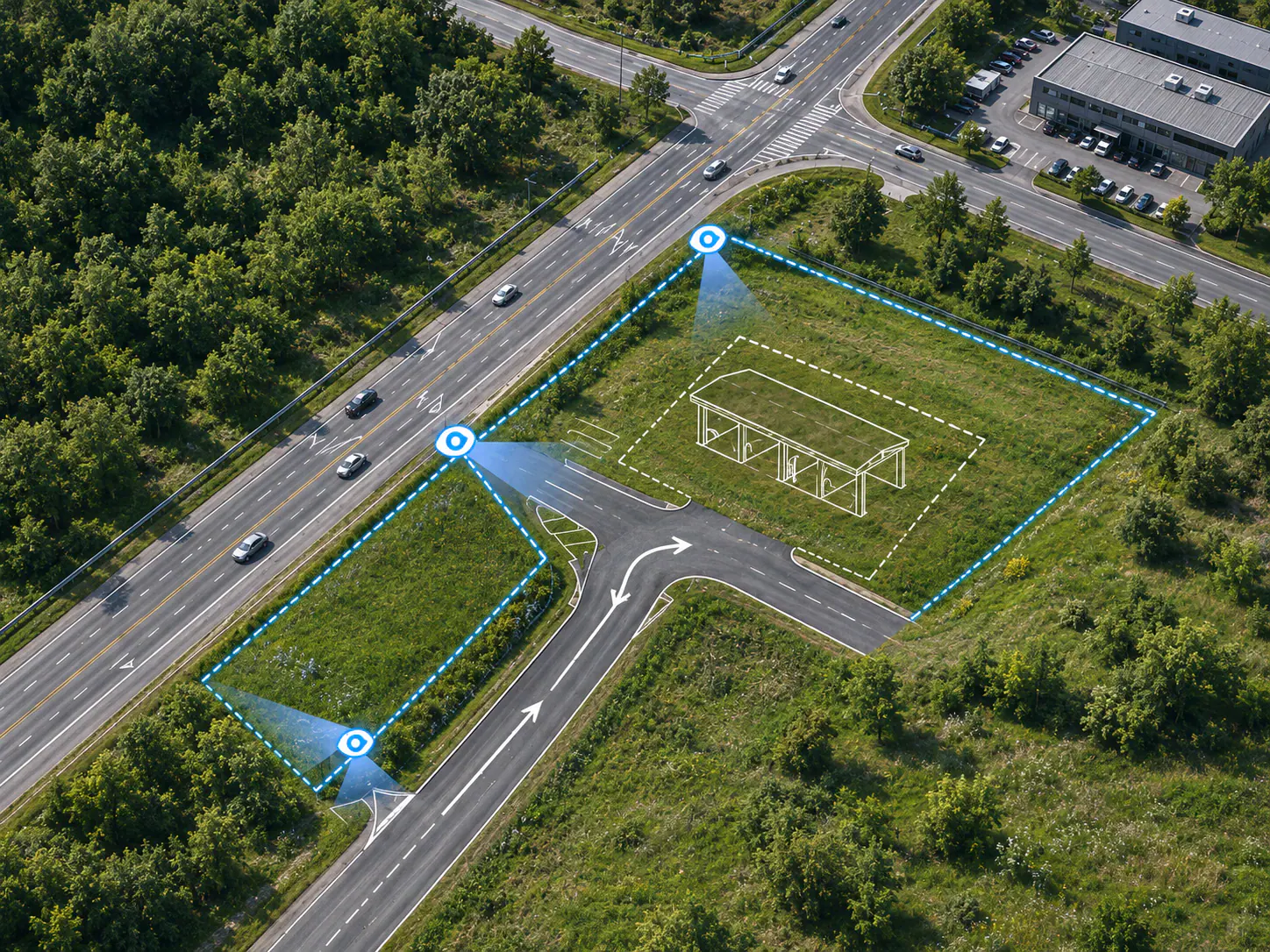
Next, drive the route as a future customer would, from both directions. Check when the entrance becomes visible, whether it is safe to turn, where a U-turn is needed and how you rejoin the road. Include busy periods: a manoeuvre that is easy on a Sunday morning may be difficult during the afternoon rush hour.
In industry interviews published by Professional Carwashing & Detailing site accessibility is discussed alongside visibility and traffic volume. This is a useful perspective when assessing a Polish location: what matters is traffic the site can actually attract. Seeing many cars pass by does not answer that question.
A network at the boundary is only the start of the discussions
For the selected car wash configuration, compare the technology's requirements with the utility operators' conditions. What matters is whether utilities can be supplied at the required parameters, the routes of the connections and the scope of work on the investor's side. Gather this information before making a final comparison of plot prices.
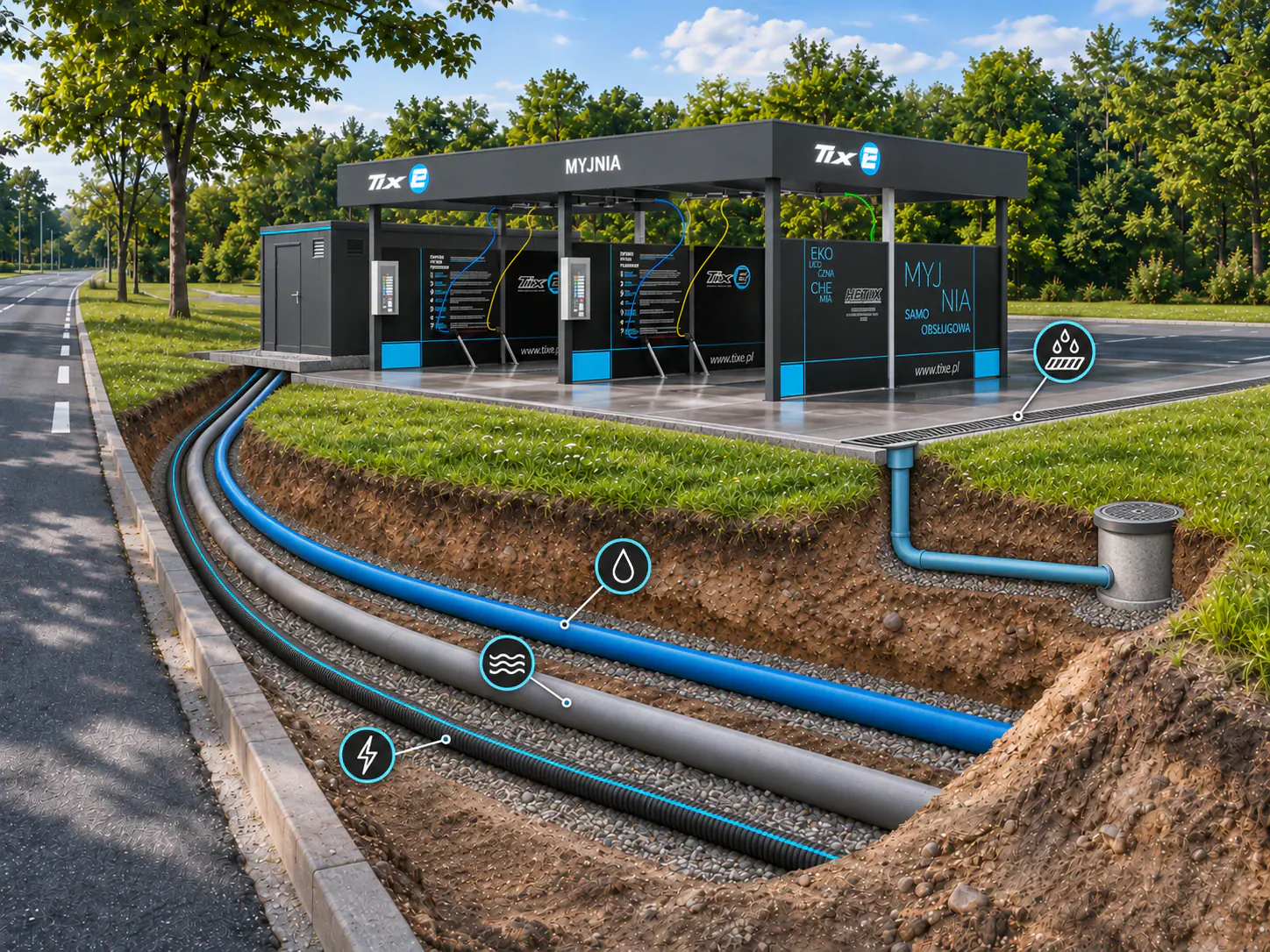
| Area | What to establish before finalising the configuration |
|---|---|
| Power and heat | The selected technology's requirements, available connection conditions, timing and installation scope. |
| Water | Supply parameters, available water quality data and the required water treatment method. |
| Wastewater | The permitted discharge method, the receiving operator's requirements and the necessary design solutions. |
| Rainwater | How water will be collected and managed, and where the required equipment will be located. |
Alternatives such as a private water source or a different wastewater management solution require separate assessment. Wody Polskie describes the cases requiring a water permit, including specific uses of water and wastewater discharge methods. The scope applicable to the car wash is established with the designer based on the planned installation.
Compare the full scope of bringing utilities to the site. A longer route, a road crossing, a conflict with an existing network or the need to use someone else's property can change both the cost and the schedule.
How much space does a touchless car wash need?
The land required depends on the layout of the whole site. Place the bays, technical container, queuing area, circulation routes, exit and additional equipment on a single base plan. Add the elements required by the design and the plot's constraints. Two plots with the same area may allow completely different solutions.
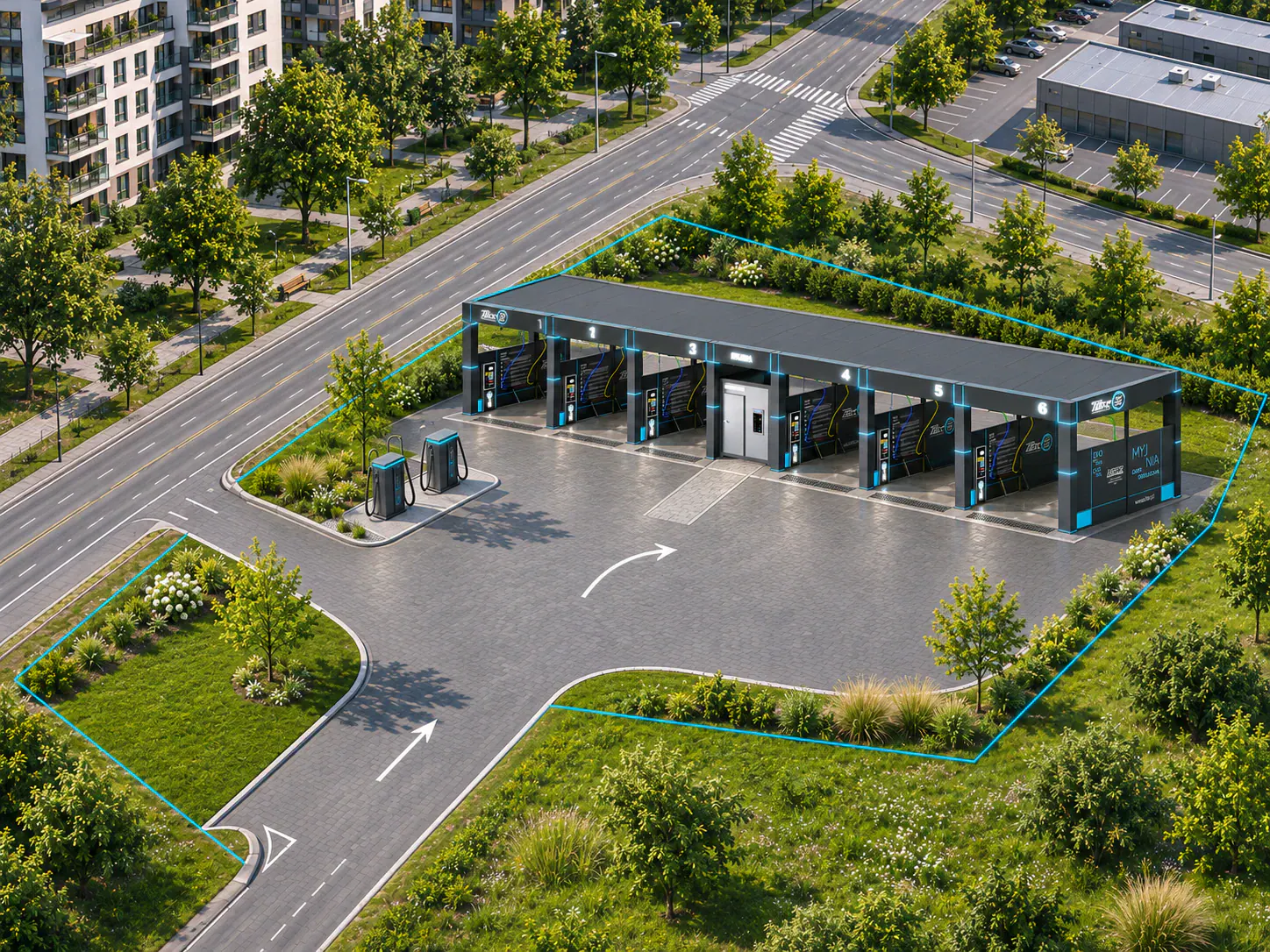
The simplest concept test is to show several situations at the same time. One customer is finishing a wash, another is waiting for a free bay, a third is using a vacuum cleaner, and staff are delivering supplies to the technical container. If one vehicle blocks the other functions, the layout needs adjusting.
For example, a queuing area may end up directly in front of the technical container doors. When cars wait there, staff have difficulty delivering chemicals and accessing equipment. This conflict is easier to resolve at concept stage than after the paving and installations have been completed.
That is why we answer questions about the minimum plot for a two-, three- or four-bay car wash by analysing a specific layout. Site layout concept shows how much of the area remains available for actual use.
Inspect what a visualisation cannot show you, too
Changes in level, existing paving, made ground, old foundations and waterlogged areas can mean additional work. Gather the plot's history and show it to the designer. A dry surface during one visit does not establish the ground conditions.
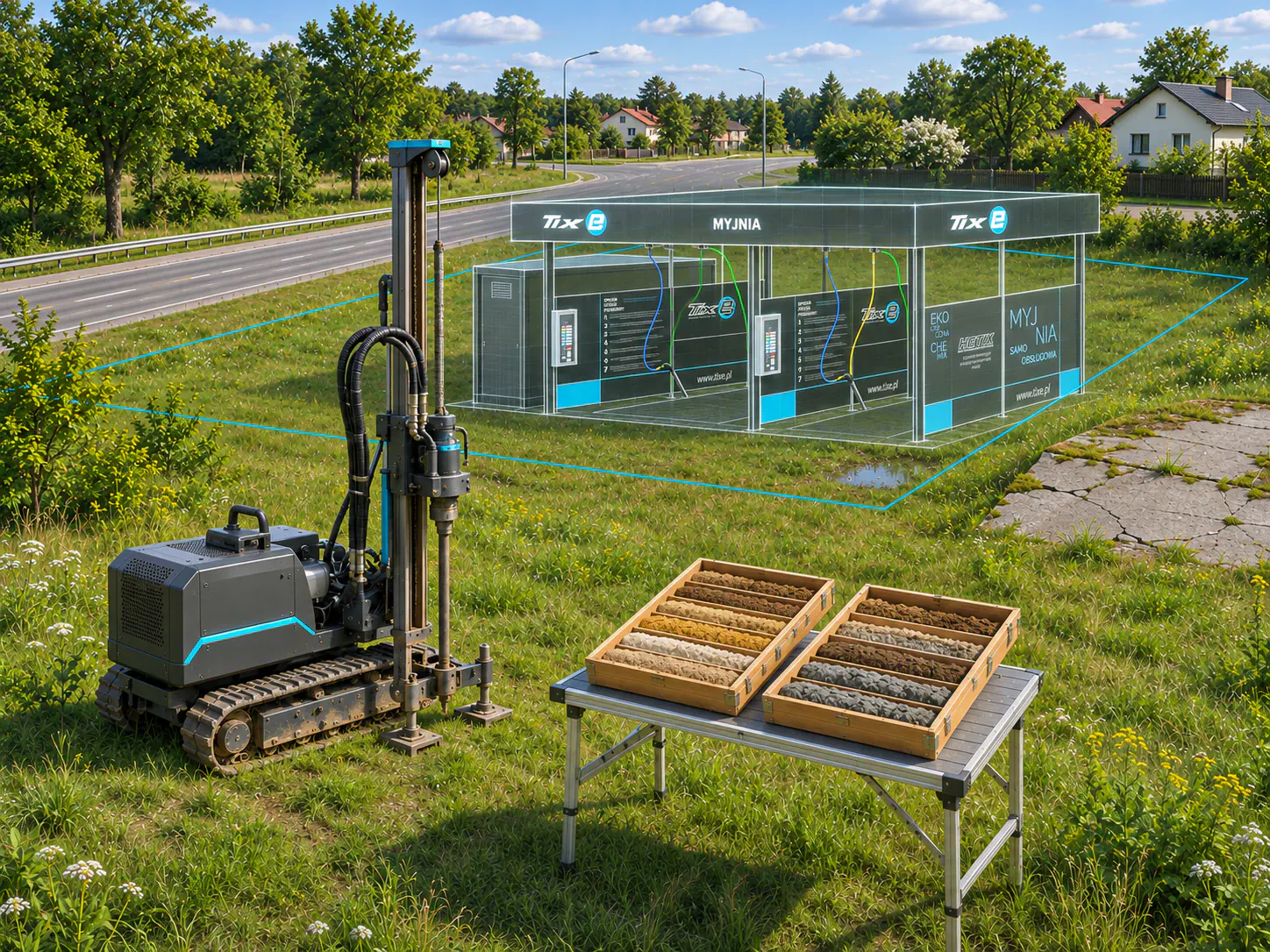
The scope of the geotechnical investigation is matched to the structure and ground conditions. The regulation on foundation conditions links the scope of investigations and documentation to the geotechnical category. In practice, you need to understand how the results affect foundations, floors, earthworks and construction-site drainage.
Record preparatory works as a separate budget item. A plot with a lower purchase price may require demolition, ground replacement or longer utility connections. Only comparing these scopes allows you to assess the cost of bringing different sites to a similar state of readiness.
Before buying, establish what determines whether the investment can proceed
The plot assessment should lead to a specific decision: develop the selected configuration, change its scale or look for another location. For every significant unknown, record its effect on the investment and how it will be clarified. This may require a response from the municipality, the road authority's position, a utility operator's conditions or the results of a ground investigation.
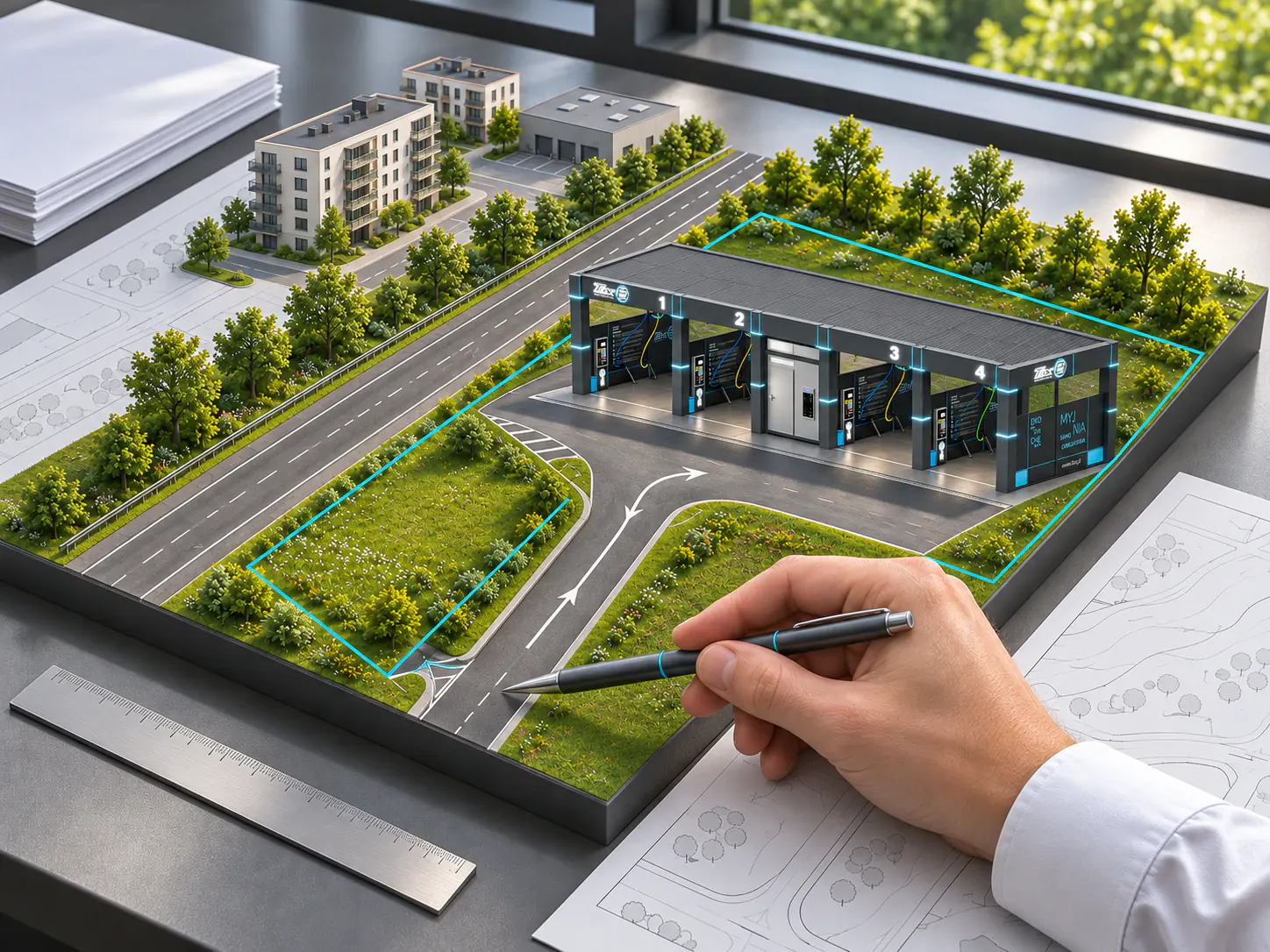
Not all missing information carries the same weight. The structure's colour can be refined later; the feasibility of road access and wastewater management affects whether further expenditure makes sense. Prioritise checks according to which answers could change the decision about the site.
Send TIXE the location and available materials. A free preliminary analysis will relate the plot's possibilities to the car wash layout and identify the information needed for the next stage. At the same time, assess the customer potential and local competition.
What else do owners and investors ask?
Is every commercial plot suitable for a car wash?
The designated land use is one condition. The specific investment must also be assessed against planning provisions, road access, utilities, geometry and local constraints.
Is a sewer network beside the plot enough?
You need conditions for receiving wastewater from the proposed development and the scope of the connection. A network line on a map alone does not establish whether the installation can be built or what it will cost.
How far should a car wash be from the plot boundary?
The designer determines the required distance for the specific structures and equipment, taking account of regulations, planning provisions and site conditions. One figure without identifying the car wash element and its surroundings is not enough to approve the layout.
Can the analysis begin before buying the land?
Yes. Providing the location, materials from the owner and the proposed number of bays allows questions to be prepared for further verification before committing to a particular site.
Let's analyse
your car wash
Do you have a plot or are you considering an investment? We will prepare a free preliminary analysis and a quotation for TIXE technology. Tell us the location and share the information you already have — we will help determine the next steps.
Sources and further reading
- Geoportal — land and building register data (EGiB). Identification and scope of cadastral data.
- Gov.pl — Urban Planning Register. Planning documents; information on the transitional data entry period until 30 November 2026.
- Gov.pl — application for a zoning decision. The procedure for developments in locations without a local plan; the scope is determined for the specific proposal.
- GDDKiA — locating or altering a vehicle access connection. Source of the procedure for national roads; other roads fall under their respective authorities.
- Wody Polskie — water permit. Cases requiring water-law approval; individual assessment of the installation.
- Regulation on geotechnical conditions for foundations. Linking the scope of investigations and documentation to the structure's conditions and geotechnical category.
- Professional Carwashing & Detailing — Site insights, 2022. Industry interviews on access, visibility and site assessment. Without applying US numerical thresholds.